

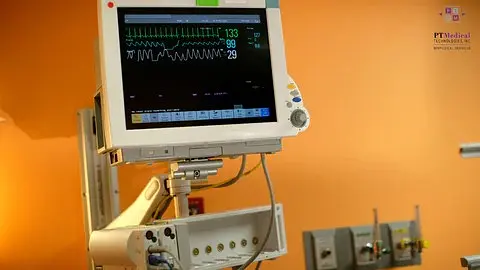
As the healthcare industry grows, there is a constant demand for medical equipment.
Healthcare providers are always looking for ways to cut equipment costs without compromising the quality of care provided to their patients. However, new medical equipment can be expensive, making it difficult for smaller providers to acquire it.
Used medical equipment can be a cost-effective solution, but some important factors must be considered before purchasing. This article will discuss the 10 key factors to consider when buying used medical equipment.
Quality and Condition of Equipment
The most important factor to consider when purchasing used medical equipment is the quality of the equipment.
The equipment should meet the required quality standards. Before making a purchase, inspecting the equipment thoroughly to ensure it is in good condition is essential.
A qualified technician should do this inspection to ensure that the equipment is fully functional and meets the required standards.
A thorough examination will help identify potential problems that may arise after the purchase. Make sure that all the components are included and functioning correctly.
Maintenance History
Before making a purchase, it is important to inquire about the maintenance history of the used medical equipment.
The maintenance history will provide valuable information about the previous use and care of the equipment. Well-maintained equipment is likely to last longer and function better than equipment that has not been properly maintained.
Purchasing equipment with a good maintenance history is important to minimize the risk of breakdowns and malfunctions.
Age of the Equipment
The age of the equipment is another important factor to consider. Medical equipment has a lifespan, and after a certain number of years, it needs to be replaced.
Before making a purchase, determine the equipment's age, and determine if it is still functional. It would help if you also considered the manufacturer's recommended lifespan for the equipment.
Warranty
When purchasing used medical equipment, it is important to inquire about the warranty. A warranty guarantees that the equipment will function properly and be defect-free.
A warranty also provides protection in case the equipment malfunctions or breaks down. Ensuring that the equipment has a valid warranty and covers a reasonable period is important.
Safety and Compliance
Medical equipment is subject to strict safety and compliance regulations. When buying used medical equipment, it's essential to ensure it meets all the necessary safety and compliance standards.
Make sure to ask the seller for any certification or documentation that proves the equipment's compliance.
Cost
One of the most significant benefits of buying used medical equipment is cost savings. However, it's essential to consider the total cost of ownership, including any additional charges such as maintenance and repair.
It's also a good idea to compare the cost of buying used and new equipment to determine the best value.
Reputation of Seller
When buying used medical equipment, choosing a reputable seller is essential. Check the seller's reviews and ratings online, and ask for possible references.
A reputable seller will provide detailed information about the equipment and be transparent about potential issues.
Compatibility with Other Equipment
Medical equipment often needs to work in conjunction with other equipment. When buying used medical equipment, it's essential to consider compatibility with other equipment. Ensure the used equipment is compatible with your existing equipment to avoid compatibility issues.
Availability of Spare Parts
Medical equipment often requires replacement parts. When buying used medical equipment, it's essential to consider the availability of spare parts. Make sure replacement parts are readily available to avoid downtime if the equipment needs repair.
Training and Support
Medical equipment can be complex, and proper training is essential to ensure that the equipment is used correctly. When buying used medical equipment, it's vital to consider the availability of training and support. Ensure that the seller provides adequate training and support to ensure the equipment is used safely and effectively.
Conclusion
In conclusion, buying used medical equipment can be a great option for healthcare providers looking to save money and reduce waste.
However, it's crucial to consider various factors before purchasing, including equipment quality, warranty and maintenance options, safety regulations, the total cost of ownership, and seller reputation.
By considering these factors, healthcare providers can make informed decisions and ensure that they're getting the best value for their investment.
Furthermore, considering sustainability is essential to responsible healthcare practices and can contribute to a more eco-friendly healthcare industry. By prioritizing these factors, healthcare providers can make smart investments that benefit their practice and the environment.


