

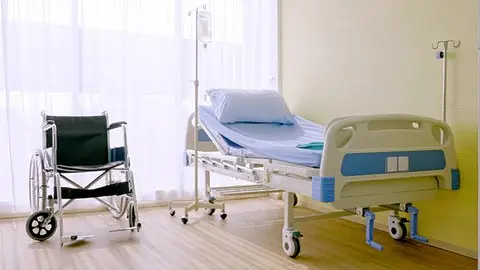
Specific medical equipment is essential in any healthcare facility. While specialties can manage complex clinical presentations, every hospital needs tools and apparatuses to cater adequately to patients' needs.
In this article, we list down ten essential pieces of medical equipment when opening a new clinic.
PPE:
Healthcare facilities harbor all kinds of germs and harmful pollutants. Doctors, nurses, and other medical staff are constantly exposed to a potentially hazardous environment and are susceptible to several different diseases. PPE, or Personal Protective Equipment offers adequate protection against microbes and toxins. The basic PPE kit includes a face mask and gloves. However, high-risk cases also require full-body suits.
Stretchers and Wheelchairs:
Many patients presenting in clinics cannot move and therefore need to be transported via stretchers and wheelchairs. Apart from transportation, stretchers also help stabilize a person's body in case of severe injury, which prevents serious complications such as irreversible injury and paralysis.
Stethoscope:
Stethoscopes are integral to cardiovascular, respiratory, and gastrointestinal examinations. High-quality teeth can help correctly identify underlying conditions, which comes in handy in medical emergencies. Nowadays, stealth tech has evolved a lot, and we have a whole range of stethoscopes capable of amplifying different physiological sounds while also completely canceling background noise.
Hypodermic Needles:
Excessive dehydration and electrolyte imbalance are common complaints in medical facilities, and most of these patients need rapid fluid resuscitation, which is only possible via the parenteral route. Additionally, it is also sometimes impossible to administer drugs orally due to the risk of vomiting and impaired metabolism. All of these things require a full stock of hypodermic needles in a hospital.
Bandages:
In case of injuries, you need to cover the wound to stop bleeding, prevent infection and enable healing. There are four major types of bandages, including gauze, compression, tube, and triangular, all of which serve different purposes. Understandably, having all these bandages in hospitals is necessary for adequate provision of first aid.
EKG /ECG Machine:
Cardiac arrests leading to sudden cardiac death (SCD) and arrhythmias account for 15 to 20% of mortalities worldwide. The time crunch is a major problem in abnormal cardiovascular events, and immediate appropriate action is crucial to save a patient's life. ECG machines provide instant insights into heart health, and therefore, it is essential to have them in a primary care facility.
Defibrillators:
Defibrillators are an apparatus used to control heart fibrillation and flutter (type of arrhythmias). CPR only provides temporary assistance, and in events of cardiac arrest, defibrillators offer a better shot at restoring normal rhythm and reviving a patient. Thus, to help people survive cardiac arrhythmias, it is paramount to have defibrillators in your hospital facility.
Blood Test Kits:
Blood tests are performed regularly for medical care. From disease diagnosis to genetic analysis and assessment of treatment effectiveness, almost everything requires you to withdraw a patient's blood samples. Therefore, blood test kits are another must-have medical equipment.
BP Apparatus:
Blood pressure measurement gives critical insights into a person's health. Hypertension, for example, can be identified by typical external signs like sweating, chest pain, severe headache, etc. However, you need exact BP readings to start any treatment regimen as guidelines are different for mild (140 /90 to 159 /99), moderate (160 /100 to 179 /109), and severe hypertension (180 /110 or more). Additionally, tracking blood pressure regularly is also important in case of other diseases, as you cannot administer certain drugs in case of high BP.
Given that 1 in 4 adults have hypertension, it is necessary to have an accurate BP apparatus in clinics.
Other Important Medical Equipment:
Other than the tools listed above, here are some other medical equipment that should be accessible in all healthcare facilities:
IV Stands: Intravenous or IV poles are necessary in all hospitals, as they keep fluid bags in place, ensuring a continuous supply of life-saving medications.
Weighing Machine: It is important to note that medical weighing machines are highly accurate and Class III approved. You can't use cheap, home scales in clinics.
X-Ray Machines: X-rays are required regularly in hospitals. Therefore, even if your facility does not have all radiological equipment, it must at least have an X-ray machine.
Conclusion:
Providing high-quality medical care lies at the core of running a successful health unit. Having all the essential medical equipment in your facility is crucial to ensure your patients receive timely and adequate service. As a healthcare [provider, you should also ensure all the tools and machines in your clinic are new and have Class III Premarket Approval. For all your medical equipment, disposition, and contrast injector repair and servicing needs, contact our team at PTMedical


