

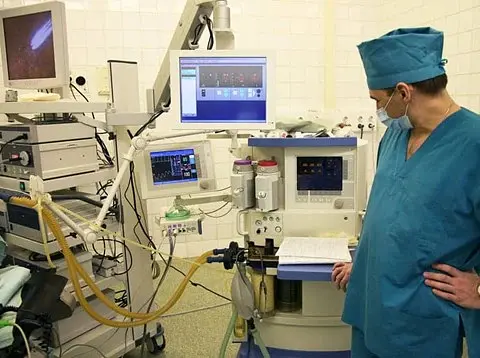
Medical equipment is critical in providing quality patient care in the continually expanding healthcare business. However, as technology progresses and equipment becomes obsolete, healthcare institutions are faced with the difficulty of efficiently analysing and maintaining their medical equipment. Creating a thorough disposition strategy is critical for maximising the value of old assets while ensuring a seamless transition to newer technology.
In this blog article, we will look at the key processes in evaluating medical equipment and designing the optimal disposition strategy for your healthcare organisation. So, let’s get started:
ASSESSING EQUIPMENT PERFORMANCE AND UTILISATION:
The first step in evaluating medical equipment is to assess its performance and utilisation within your healthcare facility. Gather data on equipment usage, maintenance records, and any recurring issues. Analyse the data to determine the efficiency, reliability, and overall value of each piece of equipment. This evaluation will help you identify underutilised assets, equipment nearing the end of its lifecycle, and potential candidates for replacement or upgrades.
Furthermore, consider conducting user surveys and feedback sessions with clinicians and technicians to gather their insights on equipment functionality and performance. Their firsthand experience can provide valuable information on any usability challenges or limitations of the equipment.
CONSIDER TECHNOLOGICAL ADVANCEMENTS AND INDUSTRY STANDARDS:
Technology in the healthcare sector is advancing at an unprecedented pace. It is essential to stay updated about the latest advancements and industry standards to evaluate the relevance and competitiveness of your medical equipment. Research and compare newer models or alternative technologies that offer enhanced features, improved patient outcomes, or increased cost-effectiveness.
Additionally, explore emerging trends such as telemedicine, artificial intelligence (AI), and Internet of Things (IoT) applications in medical equipment. These technologies can revolutionise patient care and operational efficiency, and assessing their potential integration with your equipment can guide your disposition decisions.
FINANCIAL ANALYSIS AND BUDGETING:
The financial evaluation is an important part of the disposal process. Determine the cost associated with keeping or replacing medical equipment. Estimate the expenses of maintenance, future repairs, and downtime associated with outdated equipment. Consider the long-term savings, operational efficiency, and ROI that upgraded equipment may provide.
Additionally, look at finance options such as leasing or equipment rental programs. These choices can give greater flexibility in obtaining modern equipment without requiring large upfront payments. Work with your finance team to create a realistic budget for equipment upgrades or replacements that takes both short-term and long-term financial goals into account.
COMPLIANCE WITH REGULATORY REQUIREMENTS:
Medical equipment is subject to various regulatory requirements and certifications. Ensure that your equipment complies with all relevant local, state, and federal regulations. Evaluate the compliance status of each asset and identify any potential risks or non-compliance issues. Addressing these concerns timely will help you avoid penalties and maintain a safe and legally compliant healthcare environment.
Engage with regulatory experts or consultants to navigate complex compliance frameworks and standards, such as the Food and Drug Administration (FDA) regulations and certifications like ISO 13485 for medical devices. Compliance with these standards not only ensures patient safety but also enhances the marketability and resale value of your equipment.
EXPLORE DISPOSITION OPTIONS:
Once you have completed the evaluation process, explore various disposition options for your medical equipment. Depending on the condition, value, and market demand of the equipment, you may choose to sell, lease, donate, or dispose of it.
Selling functional equipment can generate revenue that can be reinvested in newer technologies. Research potential buyers, such as other healthcare facilities, equipment brokers, or online marketplaces specialising in used medical equipment. Ensure you provide accurate and detailed descriptions of the equipment, including specifications, maintenance records, and warranties.
Donating equipment to charitable organisations or healthcare facilities in need can benefit both parties and contribute to the improvement of healthcare access. Seek partnerships with organisations with a mission aligned with your values and explore donation programs specifically designed for medical equipment.
In cases where equipment is obsolete or irreparable, proper disposal methods should be followed to comply with environmental regulations. Consult with waste management companies or recycling centres specialising in medical equipment disposal. They can guide you on environmentally friendly and responsible disposal options.
ADDRESSING EPHI IN EQUIPMENT DISPOSITION:
When evaluating and disposing of medical equipment, it is crucial to address the handling and disposal of electronic protected health information (ePHI). Follow these steps to address ePHI during equipment disposition:
- Data Backup and Secure Erasure: Back up ePHI securely and employ data sanitisation methods to erase it from the equipment.
- Decommissioning and Deidentification: Properly decommission the equipment, remove any removable media, and deidentify patient-specific identifiers or labels.
- Certificate of Destruction: Obtain a certificate of destruction from a reputable vendor or service provider to demonstrate compliance with privacy regulations.
- Documentation and Audit Trail: Maintain detailed records of the disposition process, including steps to address ePHI, certificates of destruction, and relevant documentation.
- Staff Training and Awareness: Ensure all staff involved receive proper training on handling ePHI and maintaining patient confidentiality.
- By addressing ePHI in equipment disposition, healthcare facilities can uphold patient privacy, mitigate data breach risks, and maintain compliance with regulations. Protecting patient confidentiality should always be a priority throughout the equipment evaluation and disposition process.
DEVELOP AN IMPLEMENTATION STRATEGY:
Establishing an implementation plan after evaluating the optimal disposal choices is critical. Make a clear strategy outlining the actions needed in conducting the disposal process. To facilitate a smooth transition, assign responsibilities to appropriate team members and create clear timetables. Communicate the plan to all stakeholders and offer any new equipment with the appropriate training or assistance. Monitor the progress on a regular basis and make improvements as appropriate.
CONCLUSION:
Healthcare facilities can maximise the value of their medical equipment while protecting patient privacy and remaining compliant with relevant regulations by assessing equipment performance and developing a medical equipment disposition implementation strategy. Healthcare institutions can effortlessly transition to newer technology and continue to deliver high-quality patient care in an ever-changing healthcare landscape with a well-executed disposal strategy. Visit PT MEDICAL TECHNOLOGIES today if you want to get your healthcare facility the best dispositioning option as well as top-quality medical equipment.


