

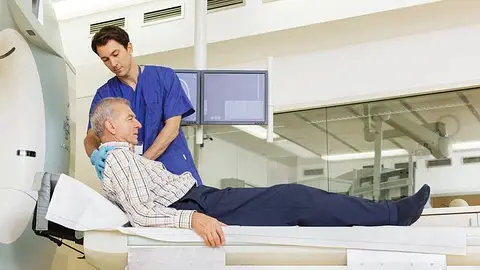
Contrast injectors play a pivotal role in numerous diagnostic and interventional procedures, contributing to the clarity and precision of medical imaging, such as computed tomography (CT), magnetic resonance imaging (MRI), or angiography. Contrast injectors can improve the quality and accuracy of the images, as well as the diagnosis and treatment of various conditions. However, contrast injectors can also cause discomfort and dissatisfaction for some patients, due to factors such as pain, anxiety, allergic reactions, or complications. Recognizing the impact on patient comfort, PTMedical Technologies is committed to revolutionizing the way healthcare providers approach contrast injector utilization.
Therefore, it is important for healthcare providers to enhance patient comfort and satisfaction with contrast injectors, as this can improve patient outcomes, compliance, and loyalty. Here are some tips on how to achieve this goal:
Choose the right contrast injector: Different contrast injectors have different features, such as flow rate, pressure, volume, and temperature, that can affect the patient experience. Choosing the right contrast injector for the specific procedure and patient can help reduce pain, discomfort, and adverse events. For example, using a dual-head injector system can reduce the amount of contrast media needed and the risk of nephrotoxicity. Using a contrast injector with a heating function can prevent hypothermia and vasospasm.
Prepare the patient: Preparing the patient for the contrast injection can help reduce anxiety and fear, as well as increase trust and cooperation. Preparing the patient includes explaining the procedure, the benefits and risks of the contrast media, and the possible sensations and side effects. It also includes obtaining informed consent, assessing the patient's medical history and allergies, and providing premedication if needed.
Monitor the patient: Monitoring the patient during and after the contrast injection can help detect and manage any problems or complications, such as extravasation, air embolism, or anaphylactic shock. Monitoring the patient includes checking the vital signs, the injection site, and the patient's symptoms and reactions. It also includes providing support and reassurance, as well as administering treatment or intervention if needed.
Follow up with the patient: Following up with the patient after the contrast injection can help evaluate the patient's satisfaction and feedback, as well as prevent or treat any delayed or long-term effects, such as contrast-induced nephropathy or thyroid dysfunction. Following up with the patient includes contacting the patient after a certain period of time, asking about the patient's condition and experience, and providing advice or referrals if needed.
By following these tips, healthcare providers can enhance patient comfort and satisfaction with contrast injectors, and ultimately improve patient care and quality. PTMedical Technologies is a leading provider of contrast injectors, with a range of products that are designed to meet the needs and preferences of different patients and procedures. Contact us today to find out how we can help you enhance patient comfort and satisfaction with contrast injectors.


