

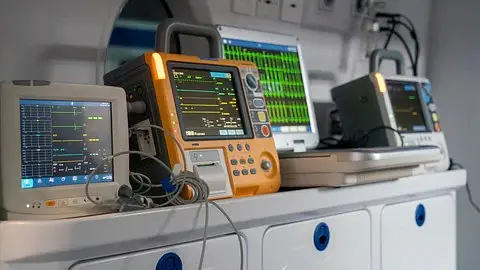
As the year-end approaches, healthcare facilities face increasing pressure to manage their budgets, streamline operations, and meet compliance requirements. One often-overlooked aspect is the efficient disposal of retired medical equipment. This process, when executed properly, can not only ensure compliance with regulatory standards but also create opportunities for cost savings and environmental responsibility. Here’s a comprehensive guide to help you manage this task effectively before the clock strikes December 31st.
Why Dispose of Retired Medical Equipment Efficiently?
Regulatory Compliance
Medical equipment disposal is governed by strict federal, state, and local regulations. The Environmental Protection Agency (EPA) and the Occupational Safety and Health Administration (OSHA) have guidelines to ensure that hazardous materials, such as lead and mercury, are handled appropriately. Failure to comply can lead to hefty fines or legal consequences.
Tax Benefits
Disposing of equipment before year-end may provide significant tax deductions. Many healthcare facilities can claim depreciation or charitable donations for the value of donated equipment, reducing taxable income.
Storage Optimization
Old equipment occupies valuable storage space, leading to inefficiencies in facility management. Clearing it out allows room for modern technology or other operational needs.
Steps to Dispose of Medical Equipment Efficiently
Assess Equipment Value and Functionality
Start by categorizing your retired equipment. Is it still functional, or is it beyond repair? Functional equipment can often be resold, refurbished, or donated. Non-functional items will require specialized disposal to ensure compliance with environmental and safety standards.
Pro Tip: Use inventory management software to track the condition and depreciation of your assets. This streamlines decision-making.
Partner with Certified Vendors
Choose vendors experienced in medical equipment disposition. Certified vendors understand the regulations and can provide documentation of proper disposal or recycling. Look for certifications like ISO 14001 (environmental management) or R2 (responsible recycling).
Statistic to Consider: The global medical equipment recycling market is expected to grow at a CAGR of 7.8%, reflecting increasing demand for responsible practicesxplore Donation Options**
If your equipment is still operational but no longer meets your facility's needs, consider donating it to charitable organizations, rural clinics, or developing countries. Donation not only helps underserved communities but also qualifies for tax benefits.
Example: Project C.U.R.E. facilitates the donation of medical equipment to resource-limited areas worldwide.
Ensure Data Security
Many medical devices store sensitive patient information. Before disposal, ensure all data is securely wiped to comply with HIPAA regulations. Partner with vendors offering data sanitization services to prevent breaches.
Statistic to Note: In 2022, healthcare data breaches impacted over 50 million patient records . Secureosal is non-negotiable.
Recycle Responsibly
For non-donatable or obsolete equipment, recycling is an environmentally friendly option. Specialized recycling programs can extract valuable materials such as metals and plastics while safely disposing of hazardous components.
Key Considerations for Year-End Disposal
Timing
Start early to avoid logistical bottlenecks. Vendors and donation centers are often inundated with requests toward the end of the year. Planning ahead ensures your equipment is processed in time to claim any tax benefits.
Documentation
Maintain detailed records of the disposal process. Include receipts, vendor certifications, and donation acknowledgments for tax purposes and compliance audits.
Budget Implications
Factor in the cost of disposal when planning your annual budget. Partnering with vendors offering competitive pricing or value recovery through resale can offset costs.
The Role of Technology in Streamlining Disposal
Innovative technologies are making equipment disposal more efficient. Asset management software, blockchain-based tracking systems, and AI-driven vendor selection tools are just a few examples of how healthcare facilities can optimize this process.
Efficient disposal of retired medical equipment is not just a regulatory necessity—it’s an opportunity to optimize operations, contribute to sustainability, and maximize financial benefits. By assessing equipment, partnering with certified vendors, and planning ahead, your healthcare facility can close the year on a compliant and cost-effective note.
To learn more about how PT Medical Technologies can assist with your medical equipment disposal needs, schedule a consultation today.


