

It is estimated that 16 billion injections are administered worldwide every year. But all the needles and syringes are not properly disposed off.
Broadly classified, medical (also known as clinical or biomedical) waste is any item that comes into contact with body fluids. It is any waste that is resultant from the diagnosis, treatment, or immunization of patients. Initially, this waste was thrown in plastic boxes or bags and disposed of like normal garbage. But it was found that this disposal method was spreading infections around. Even burning such wastes openly causes the emission of furans, dioxins, and particulate matter.
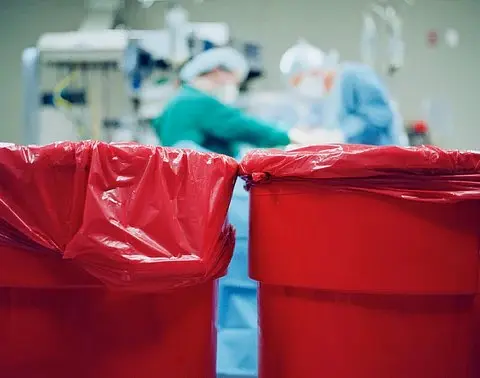
To combat the dangers of medical waste, biohazardous containers are used in hospitals, clinics, and nursing homes to safely remove sharps, needles, and IV catheters containing human blood or bodily fluid. Biomedical waste also includes wipes, syringes without needles, gloves, paper towels, bandages or dressings with small amounts of dry blood or fluid, and any other medical care material.
So, the call of the time is to get in touch with licensed medical waste management companies to collect and safely dispose of the medical waste by using suitable types of biomedical waste disposal. But before talking about the types of biomedical waste disposal, let us see what the types of biomedical waste are.
Types of Biomedical Waste
There are various types of waste materials in the healthcare industry. The most commonly known biomedical waste categories as per the WHO include -
- Pharmaceuticals: Under this waste category, expired or unused, and/or contaminated drugs and vaccines, antibiotics, pills, and injectables are included.
- Sharps: This waste type includes sharp medical items like needles, ampoules, lancets, needles, staples, and scalpels. These may be infected by a patient’s biological materials that pose the risk of puncturing or piercing the skin. It can also transmit infections to the environment.
- Chemical: Batteries, heavy metals like mercury from medical equipment, and solvents and disinfectants used for laboratory purposes are included in such wastes.
- Solid Waste: It includes items that are infected with bodily fluids or biological material of the patients such as gloves, pipettes, towels, or culture.
- Liquid Waste: Bulk quantities of blood or bodily fluids are included in this.
- General Non-Regulated Medical Waste: As this waste type doesn’t pose a threatening situation by any biological, radioactive, physical, and chemical waste, it is also known as non-hazardous waste.
- Infectious Waste: Whatever isinfectious belongs to this category such as equipment, tissues, swabs, lab cultures, and excreta.
- Genotoxic Waste: A highly dangerous form of medical waste. It is carcinogenic, teratogenic, or mutagenic. Cytotoxic drugs used in cancer treatment can be included in it.
- Radioactive: It usually means lab research liquid or unused radiotherapy liquid. Glassware or other supplies contaminated with this liquid are also included in such type of waste.
- Pathological: Such waste includes bodily fluids, blood, body parts, tissue, and infected animal cadavers.
Types of Biomedical Waste Disposal
When it comes to medical treatments, their related equipment, and supplies, waste disposal becomes extremely important. The reason is that most of such waste poses health risks as it is contaminated with dangerous pathogens and serious diseases.
There are different ways to dispose of the unique types of biomedical waste. And to make the process smooth and safe, different disposal companies follow different methods. So, here are the 4 different types of disposal approaches followed for biomedical waste.
Autoclaving
This process involves steam sterilization. Autoclaving introduces very hot steam for a determined amount of time and is a cost-effective approach to incineration. Once the process is over, it has destroyed the microorganisms. This process doesn’t present any personal health risks. Almost 90% of materials if not all of the biomedical waste materialare sanitized this way before being sent on to a landfill.
Incineration
In the benefit bundle of incineration are its qualities – easy, quick, and simple. The process not only completely removes the waste material but also microorganisms- if any. However, it should be kept in mind while burning hazardous materials, that emissions have grave danger. Some waste disposal companies consider incineration as the top choice but it is prudent to review its materials and determine if it will be safe to burn those.
Chemicals
Chemical disinfection is the most common way to dispose of liquid waste. The regular choice to carry on this process is chlorine. It effectively kills pathogens and microorganisms. Although chemical disposal is made to work for solid wastes, it is suggested to grind the solid waste first and then continue with the process. by grinding it, maximum decontamination is assured. And in the case of liquid waste, once it is decontaminated, it is disposed of into the sewer system.
Microwaving
This process works just like a microwave. After the waste is shredded, it is mixed with water, and then heated internally. These steps kill microorganisms as well as other harmful elements. Shredding is one of the most beneficial steps of this process as it considerably lessens the biomedical waste volume. Also, this method is more energy-efficient as compared to incinerating. But it can’t be used for all types of biomedical wastes. Just like autoclaving, it can be used for nearly 90% of wastes being disposed of by healthcare industries like hospitals and nursing homes.
When deciding on the best of the above types of biomedical waste disposal, people usually go for incineration as the most effective practice. But it isn’t considered the most beneficial way to dispose of medical waste. Some people opine that the safest and most economical choice is autoclaving as there are no emissions and steam doesn’t have damaging effects. On top of it, autoclaving is within budget.
People concerned with the disposal of biomedical waste must have sound knowledge of what is being done it before it is disposed of. A waste removal company should be called to take care of the disposal of the medical waste professionally. By doing so, you will be stepping up to make Earth cleaner and safer for ourselves as well as for generations to come.


