

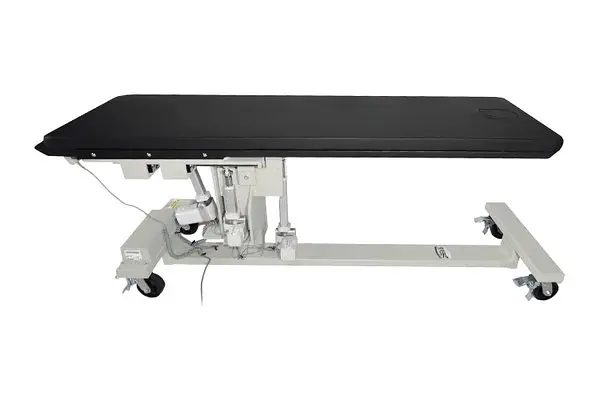
Most surgeons look forward to ergonomic surgical tables that cater to the requirements of different types of procedures and surgeries. However, many medical professionals think of only general surgery tables.
The good thing is that there are various surgical tables to cater to specific requirements of surgeons. Here are four types of surgical tables with their respective features:
General Surgery Tables: This is the basic surgery table that includes:
Accessibility– Ease of adjusting table height and angle
Stability– Precise positioning and steady
Imaging Support– Laparoscopic procedures increasing and it gives imaging support features
Support for larger patients– Free from weight limit, supports a patient of 136 kg (300 pounds).
Imaging Tables: Advanced medical imaging procedures call for specialized tables that allow the imaging methods like:
Specialized 3-D imaging
Any type of fluoroscopy, including vascular procedures
Procedures requiring lateral/longitudinal float, Trendelenburg/reverse Trendelenburg, lateral tilt or height adjustment
Any procedure requiring a catheter tray extension, like cardiovascular procedures
Neurology Tables: Offer the best possible patient access with exceptional positioning and the following specific features:
Various positioning options like back section, lateral slide and tilt, longitudinal slide
Electro-hydraulic operation, easy to learn, manual controls
Precise foot-controlled tabletop slide functions, allowing delicate movements hands-free
Urology and Cysto Tables: designed to give medical professionals access to their patients for delicate procedures. Advantages of such surgical tables include:
Maximized access to the C-arm during imaging
Excellent positioning for seed implantation
Radiolucent extension used in brachytherapy treatment
A majority of modern surgical tables have just the same features. However, certain differences set every manufacturer apart. Here comes STERIS – the brand of surgical tables that is reliable. It has:
Easy-to-use handling features
Generous weight and height restrictions
Versatility that makes them well suited for countless procedures
Let’s have a look at what’s exceptional these tables offer from the other lot -
Orthopedic Surgical Tables - Fracture Tables / Trauma Tables
Such tables are designed to facilitate the surgeons to perform orthopedic procedures such as hip and pelvic fractures, tibial and fibula fractures, anterior approach total hip arthroplasty (AATHA), etc.
The STERIS OT 1000 Series Orthopedic Surgical Table is an orthopedic fracture and trauma table. It helps the staff to position and maneuver the table easily. It offers precise patient control as well as the flexibility to perform various traditional and laparoscopic procedures. It boosts patient safety through our ergonomic SWAN Technology (Simple, Weightless Articulation). The table also has integrated safety lock and quick release mechanism on the boot, headrest, and lateral slide.
Radiolucent Imaging Tables - Fluoroscopic Tables
Designed for image-guided procedures that need fluoroscopy, STERIS fluoroscopy operating tables are perfect for laparoscopic vascular and other procedures. It offers imaging capabilities of the Radiology suite. It's easy and limitless motion allows for a 360° view and 83 inches of radiolucent imaging surface. The small, T-shaped designed base of this table enables the surgical staff to position themselves for long reach, less back strain, and more room for positioning the C-arm.
What do you think about working with these types of tables in your medical practice?
What comparison would you stand out between STI tables and Steris tables?


